Address
304 North Cardinal
St. Dorchester Center, MA 02124
Work Hours
Monday to Friday: 7AM - 7PM
Weekend: 10AM - 5PM
Address
304 North Cardinal
St. Dorchester Center, MA 02124
Work Hours
Monday to Friday: 7AM - 7PM
Weekend: 10AM - 5PM
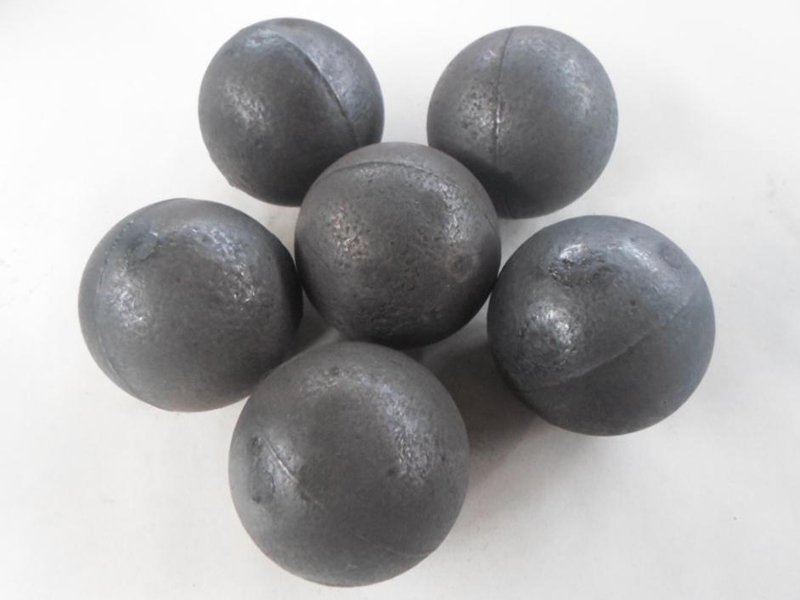
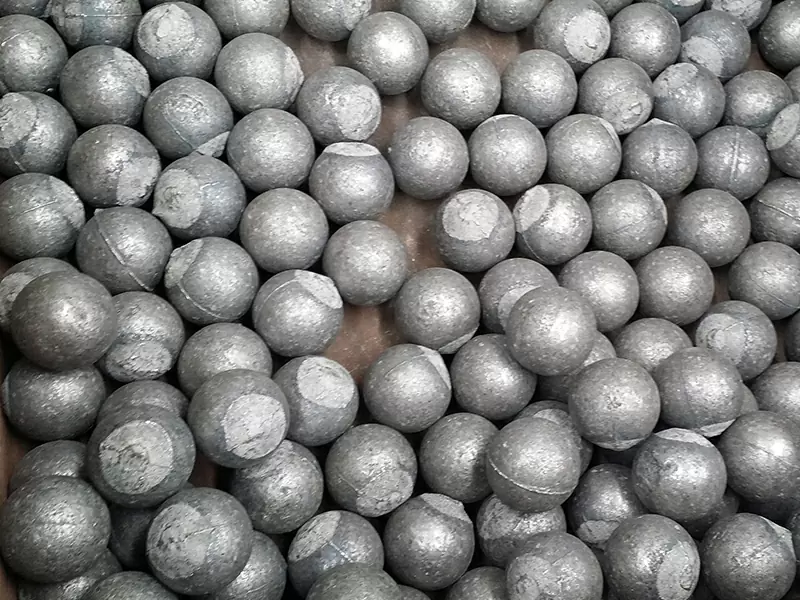
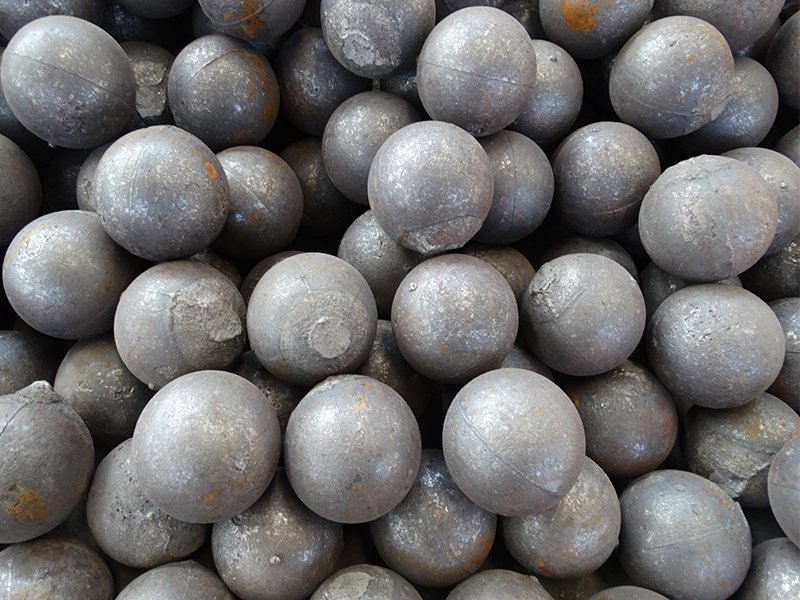
Casted steel balls are a key category of grinding steel ball and core mining grinding media, classified by chromium content into ultra high chromium cast balls, high chrome grinding media balls, medium chromium cast balls, low chromium cast balls and chromium-free cast balls. The quality of cast steel ball hinges on premium raw material selection and rigorous production process control—even for identical specifications, pricing varies drastically among manufacturers due to differences in production costs and process standards.
Boasting high temperature resistance and consistent internal and external hardness, casted steel balls are the optimal grinding solution for the cement industry, and are the primary choice for most cement plants worldwide. In contrast, forged steel balls are more widely adopted in mines, thermal power stations and other industrial sectors. As a professional grinding media manufacturer based in China, we produce cast steel balls in strict compliance with national quality standards, ensuring stable performance to meet diverse industrial grinding demands.
All our cast steel balls adhere to national quality standards, with clearly defined chromium and carbon content ranges, mandatory hardness (HRC) and impact value requirements. Corresponding high-temperature quenching and tempering processes are implemented for each category to ensure product performance and eliminate casting stress, with intuitive surface characteristics serving as a quick judgment for the completion of heat treatment.
Chromium content ≥10.0%, carbon content 1.80%-3.20%; national standards mandate a hardness of ≥58HRC and an impact value of ≥3.0J/cm². To achieve this high hardness standard, high chromium cast balls must undergo professional high-temperature quenching and tempering—currently, two mainstream quenching methods are used in domestic production: oil quenching and air quenching. A critical quality judgment criterion: if the tested hardness of a high chrome grinding media ball is lower than 54HRC, it indicates the product has not undergone quenching treatment and is deemed unqualified.
Chromium content 3.0%-7.0%, carbon content 1.80%-3.20%; national standards require an impact value of ≥2.0J/cm² and a hardness of ≥47HRC. High-temperature tempering is a mandatory process to eliminate casting stress and ensure the structural stability of the cast steel ball. Visual quality inspection standard: a dark red surface proves the steel ball has undergone high-temperature tempering, while a retained metallic luster means the cast steel ball has not been treated with high-temperature tempering.
Chromium content 0.5%-2.5%, carbon content 1.80%-3.20%; national standards stipulate a hardness of ≥45HRC and an impact value of ≥1.5J/cm². To guarantee product quality, low chromium cast balls also require high-temperature tempering to eliminate casting stress and enhance overall performance. The same visual inspection standard applies: a dark red surface indicates the completion of high-temperature tempering treatment, while a metallic surface means the tempering process was not performed.
As a versatile type of industrial grinding media, casted steel balls are widely used in large-scale grinding operations across various industries, including cement plants, chemical plants, thermal power plants, quartz sand plants, silica sand plants and non-metallic ore processing enterprises worldwide.
Raw Material Inspection → Material Proportioning → Medium Frequency Furnace Heating & Melting → Steel Mold Casting → Quenching Treatment → Tempering Treatment → Finished Product Inspection → Packaging & Delivery
This version naturally embeds core SEO keywords (cast steel ball/grinding steel ball/grinding media/mining grinding media/high chrome grinding media ball/forged steel ball/grinding media manufacturer) that align with Google search habits, optimizes sentence structure for overseas readers, and highlights product core information—all while retaining the original technical details and logical hierarchy.
Chemical Elements
| Model | Chemical composition | |||||||
| C | Si | Mn | Cr | Mo | Cu | P | S | |
| Low-chromium casting strip | 2.2-3.5 | ≤1.2 | ≤1.5 | 0.8-3.5 | ≤1.0 | ≤0.5 | ≤0.15 | ≤0.15 |
| Medium-chromium casting strip | 2.0-3.3 | ≤1.2 | ≤1.8 | 4.0-9.0 | ≤1.5 | ≤1.0 | ≤0.15 | ≤0.15 |
| High-chromium casting strip | 1.6-3.3 | ≤1.0 | ≤2.5 | 10-18 | ≤1.0 | ≤1.5 | ≤0.10 | ≤0.10 |
| Super high-chromium casting strip | 2.0-3.3 | ≤1.0 | ≤2.5 | 22-25 | <2.0 | ≤1.5 | ≤0.10 | ≤0.10 |
Mechanical properties and metallurgical structure
| Model | Mechanical properties | Metallurgical structure | |
| HRC | The degree of ball-drop | ||
| Low-chromium casting strip | ≥45 | ≥8000 | P+C |
| Medium-chromium casting strip | ≥50 | ≥12000 | P+C |
| High-chromium casting strip | ≥58 | ≥15000 | M+C
|