Address
304 North Cardinal
St. Dorchester Center, MA 02124
Work Hours
Monday to Friday: 7AM - 7PM
Weekend: 10AM - 5PM
Address
304 North Cardinal
St. Dorchester Center, MA 02124
Work Hours
Monday to Friday: 7AM - 7PM
Weekend: 10AM - 5PM
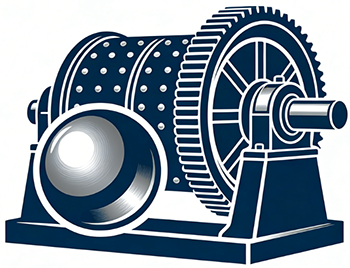
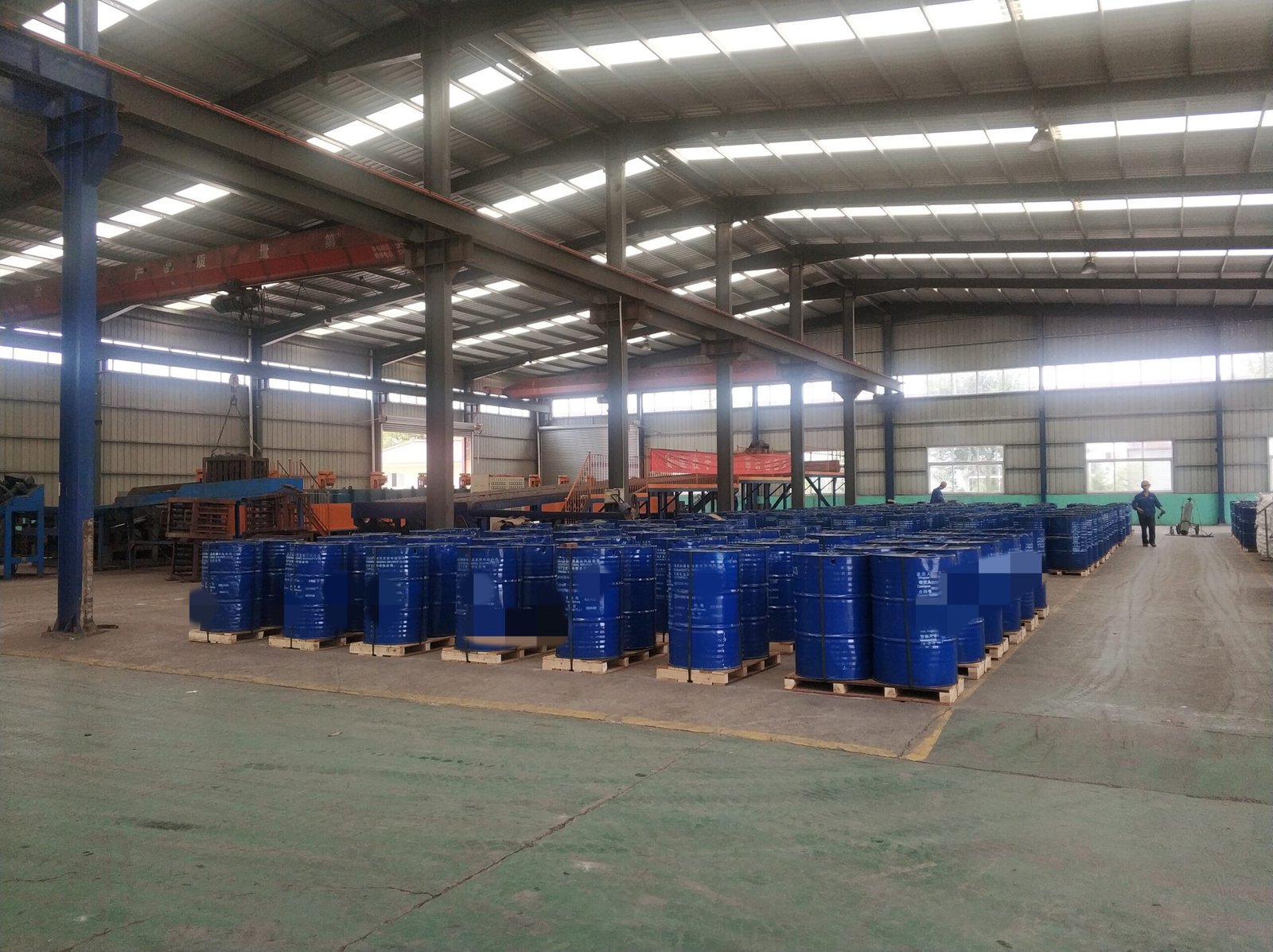
Optimal Addition & Gradation of Ball Mill Steel Balls
The size gradation and addition ratio of ball mill steel balls are determined by multiple critical factors, including ball mill diameter and speed, ore hardness and feed particle size, as well as the hardness and quality of grinding steel balls. Once the ball mill model is fixed, its speed is set; ore hardness is measurable, and the ore particle size processed by the mill can be adjusted by replacing grid screen sizes.
Newly installed ball mills all require a running-in period, during which the initial steel ball for ball mill loading accounts for 80% of the mill’s maximum ball capacity, with a common initial gradation of Φ100mm, Φ80mm, Φ60mm and Φ40mm. It is highly recommended to use new wear resistant steel balls for the first addition, and the specific dosage is calculated based on ore processing capacity: high-quality wear resistant steel balls require only 0.8kg per ton of ore processed, while ordinary steel balls need 1kg–1.2kg per ton of ore.
A scientific ball mill steel ball gradation also relies on a comprehensive assessment of additional factors, such as the mill’s effective length, roller press configuration, liner type and structure, expected screen fineness, chrome steel ball usage, and mill speed. The universal industrial steel ball gradation is 120mm, 100mm, 80mm and 40mm. If high chromium balls are selected as the main grinding media, it is imperative to request the manufacturer to add rare earth elements during production to optimize product performance.
The 80% initial loading rule is designed to facilitate the meshing of the mill’s large and small gears, with the processing capacity increased gradually during running-in. After 2-3 days of operation, check the gear meshing status; if everything is normal, open the mill’s manhole cover and make a secondary addition of the remaining 20% of ball mill steel balls.
Small-sized steel balls are only added during the initial loading process. During normal mill operation, grinding steel balls experience natural wear due to mutual friction and friction with ore and mill liners, which gradually reduces the size of large and medium balls. Thus, there is no need to add small balls under regular working conditions. Supplementary small balls are only recommended when the useful mineral particles fail to achieve monomer dissociation and the mill’s grinding fineness cannot meet flotation process requirements.
Grinding steel balls in the ball mill are subject to continuous wear during long-term operation. To maintain the optimal ball load filling ratio and a reasonable steel ball size gradation, and ensure the stable and efficient operation of the ball mill, it is essential to perform regular, reasonable and low-loss ball refilling based on the actual wear condition of the mining grinding media.