Address
304 North Cardinal
St. Dorchester Center, MA 02124
Work Hours
Monday to Friday: 7AM - 7PM
Weekend: 10AM - 5PM
Address
304 North Cardinal
St. Dorchester Center, MA 02124
Work Hours
Monday to Friday: 7AM - 7PM
Weekend: 10AM - 5PM
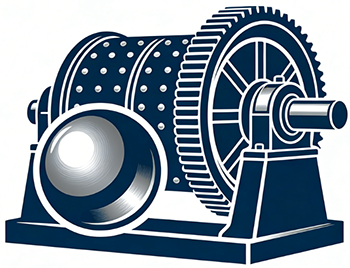
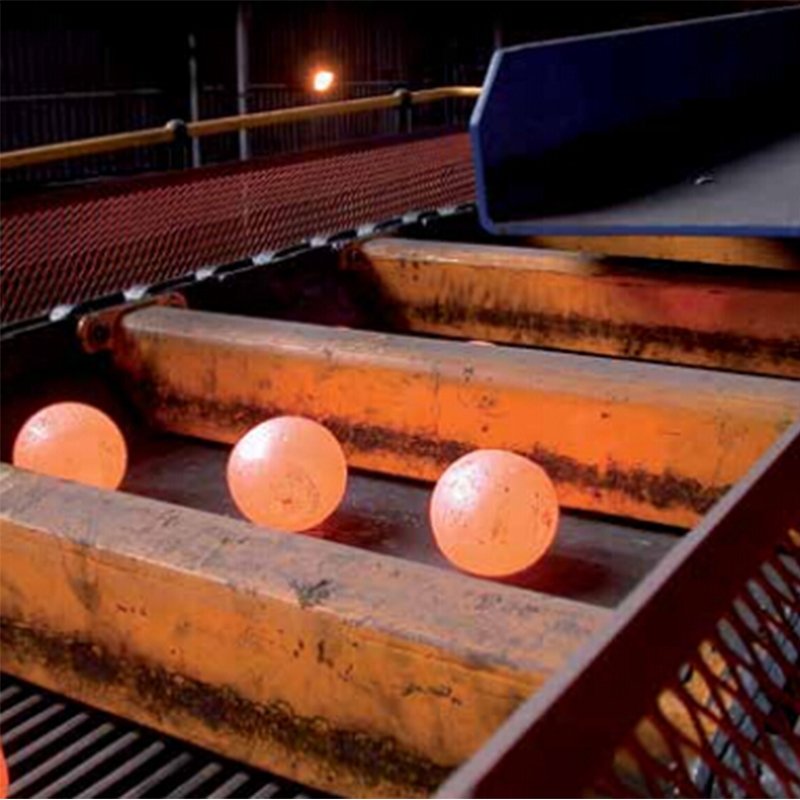
Ball mill steel ball ratio is a critical factor that directly impacts the production efficiency and grinding quality of ball mills, a common pain point for operators in cement plants, mining sites, thermal power plants and chemical plants. Scientific grinding steel ball proportioning and charging depend on a comprehensive analysis of core factors: ball mill cylinder diameter, ore hardness, feed ore particle size, wear resistant steel ball hardness and quality, and fixed mill speed (determined by mill model). Ore hardness is measurable, and feed particle size can be adjusted by changing the grid screen specification—all of which form the basis for determining the ideal ball mill steel ball size and addition ratio.
All newly installed ball mills require a running-in process, with the initial steel ball charging amount accounting for 80% of the mill’s maximum ball load (the remaining 20% is added after running-in). This 80% loading rule is designed to facilitate smooth meshing of the mill’s gears and allow for a gradual increase in ore feeding volume, avoiding mechanical damage from overloading.
Standard size gradation for initial charging: Φ120mm, Φ100mm, Φ80mm, Φ60mm, Φ40mm grinding steel balls, with specific ratios adjusted by mill model. For example, the MQG1500×3000 ball mill (100-150 tons processing capacity, maximum ball load 9.5-10 tons) follows this initial ratio:
After continuous operation for 2-3 days, stop the mill to inspect gear meshing. If all components function normally, open the mill’s manhole cover and add the remaining 20% of ball mill steel balls to reach the full load. We highly recommend using new wear resistant steel balls for initial charging to ensure consistent grinding performance and reduce early-stage wear.
Once the mill is in stable normal operation, follow a fixed shift charging ratio for supplementary balls: 3:4:3 (Φ120mm: 3, Φ100mm: 4, Φ80mm: 3). Key note: small steel balls (Φ60mm, Φ40mm) are only added during the initial running-in phase and do not require additional charging under normal working conditions.
Natural wear occurs during mill operation due to friction between steel balls for ball mill, ore, and mill liners—this wear gradually reduces large balls to medium sizes and medium balls to small sizes, naturally maintaining the mill’s small ball inventory. Supplementary small balls are only added in one specific scenario: when useful mineral particles fail to achieve monomer dissociation and the mill’s grinding fineness cannot meet flotation process requirements.
Charging dosage is determined by the quality of grinding media balls:
To optimize grinding efficiency, steel ball sizes are strictly matched to the mill’s cylinder diameter (a universal industry standard):
Grinding steel balls experience continuous wear during long-term operation, so regular and reasonable ball refilling is essential to maintain the mill’s optimal ball load filling ratio and scientific steel ball gradation. The core goal of refilling is to ensure low-wear and stable mill operation, avoiding efficiency drops caused by insufficient ball load or unbalanced size ratios.